LIVE Forward Deployed Engineer Bootcamp for AI Engineers: Scope, Deploy & Launch
From AI Engineer to Forward Deployed Engineer in 8 Weeks
Cohort 1 · Starts Wednesday, 2nd Dec, 2026. Most enterprise AI stalls between the demo and production. Forward Deployed Engineers close that gap. In eight live weeks, you take one client account from a vague brief to a deployed AI system: discovery, a signed SOW, a security review, a trace assistant in production and a launch review in front of the client panel.
Classes are tentatively planned for Wednesdays and Thursdays, from 8 PM to 11 PM IST. We’re finalising the days and timings based on learner feedback and will inform everyone on the waitlist of the confirmed schedule by 25th Nov, 2026.
8
Weeks
16
Live Sessions
1
Client Account
1
Launch Review
~19x
FDE Job Postings in India, YoY
+130%
FDE Demand in India


Join a cohort of AI engineers who already ship with LLMs

Build one client's AI system, from brief to production

Ship it past a security review, then lead the launch review
Codebasics Promise
We stand by the quality of our content. Not satisfied? Get a full refund, no questions asked, until the day after your first 2 live sessions after enrolling.
Added Benefit
If you have already taken our paid AI Engineering & DS course(s) or bootcamp, you will pay only the difference (This Bootcamp Price - Money You Paid for AI Engineering & DS course(s) or bootcamp Price)
From AI Engineer to Forward Deployed Engineer in 8 Weeks
Cohort 1 · Starts Wednesday, 2nd Dec, 2026. Most enterprise AI stalls between the demo and production. Forward Deployed Engineers close that gap. In eight live weeks, you take one client account from a vague brief to a deployed AI system: discovery, a signed SOW, a security review, a trace assistant in production and a launch review in front of the client panel.
Classes are tentatively planned for Wednesdays and Thursdays, from 8 PM to 11 PM IST. We’re finalising the days and timings based on learner feedback and will inform everyone on the waitlist of the confirmed schedule by 25th Nov, 2026.
8
Weeks
16
Live Sessions
1
Client Account
1
Launch Review
~19x
FDE Job Postings in India, YoY
+130%
FDE Demand in India
Our Promise: In 8 weeks, this is who you become
-
100% LIVE: 16 sessions, every Wednesday & Thursday. Real-time Q&A and doubt clearing, and every session is recorded.
-
One real client, start to finish: You join AtliQ AI as an FDE and take TraceGrid from a vague brief to an AI trace assistant in production
-
Taught by Dhaval Patel, Siddhant Pandey and Karandeep Grover, whose AtliQ Technologies has advised 55+ startups and enterprises
-
Fictional companies, real problems: Legacy XML feeds and messy, late-arriving partner data
-
Run discovery yourself and defend the SOW, instead of hearing requirements secondhand
-
Get tenant-bound access through a skeptical platform team: OAuth, SSO, RBAC and a real security review
-
Answer questions over messy client data with knowledge graphs (Neo4j) and hybrid RAG, every answer traced to a real event
-
Inherit an undocumented prototype and stabilise it with characterization tests, tech-debt triage and ADRs, using AI to read the code
-
Scale to 100x pilot volume with queues, retries and multi-tenancy, backed by a load test and SLOs
-
Ship behind SSO with eval gates in CI, and choose the right deployment: multi-tenant SaaS, customer VPC or on-prem
-
Practise the customer-facing half of the job with a six-person panel: VP Product, Head of Platform, GS1 compliance, customer solutions, your CTO and your Product Lead
-
Weekly written feedback on your pod's Build Ledger, ending in a launch review in front of the full client panel.
How It Works
Your project: one real client, start to finish.
Your first client needs a day to trace one contaminated batch. You do it in seconds
 Tony Sharma
VP Product
 Steve Rajhans
Head of Platform, TraceGrid
 Miles Malhotra
GS1 Compliance, TraceGrid
 Bruce Hariyali
Customer Solutions, TraceGrid
 Natasha Rai
CTO, AtliQ AI
 Peter Pandey
Product Lead, AtliQ AI
Fictional companies, real problems: the GS1 EPCIS standard, legacy XML feeds and messy partner data.
What you go through
Eight tickets. Something shipped every week.
Every week opens with a ticket from the TraceGrid account and closes with something shipped. Your pod logs it in the Build Ledger, and the instructors reply in writing.
Overview
What you'll learn in
this LIVE FDE Bootcamp
Week-1: Landing the account
Discovery
-
Session 1 – Kickoff: the FDE role
The FDE role · Why AI stalls between demo and production · The TraceGrid account
Output: Your first look at the client account
-
Session 2 – Discovery interviews
First discovery interviews with the client team · Assumptions log
Output: Discovery notes
Week-2: Scoping the real problem
Integration and SOW
-
Session 3 – Enterprise integration
REST, SOAP and webhooks · A legacy XML feed · Messy partner data
Output: Connections to the client’s real systems
-
Session 4 – Scoping the real problem
Writing the SOW · Holding scope when the client tries to expand it
Output: A signed SOW
Week-3: Getting through the door
Security
-
Session 5 – Identity and access
OAuth and SSO · Role-based access · Tenant isolation
Output: SSO and role-based access, end to end
-
Session 6 – The security review
A security review with a platform head who trusts no vendor · Threat model
Output: Tenant-bound access
Week-4: Making sense of the mess
AI build
-
Session 7 – Knowledge graphs
Knowledge graphs with Neo4j · Modelling supply chain events · Enterprise Ontology
Output: A graph over the client’s events
-
Session 8 – Hybrid RAG
Hybrid RAG over scattered, late-arriving events
Output: Trace assistant v1
Week-5: Inherit and prioritise
Product
-
Session 9 – Inheriting code
Reading an undocumented prototype · Codebase map, tests and ADRs · Triage the tech debt
Output: A stabilised codebase
-
Session 10 – Product thinking
Writing the PRD · A Now, Next, Later roadmap
Output: PRD and roadmap
Week-6: Scale and trust
Scale
-
Session 11 – Scale
Queues and retries · Multi-tenancy at 100x pilot volume
Output: A load test at 100x pilot volume
-
Session 12 – Trust
AI UX and governance · SLOs
Output: Load test and SLOs
Week-7: Ship and prove
Deploy
-
Session 13 – Ship it
Docker and Kubernetes · CI with eval gates · Shadow mode and rollout runbook
Output: A rollout pipeline with eval gates
-
Session 14 – Prove it
The ROI story for your CTO
Output: ROI one-pager
Week-8: Operate and launch
Launch review
-
Session 15 – Operate
Game day · A blameless postmortem · The handoff
Output: Runbooks and a postmortem
-
Session 16 – Launch review
Your system, presented to the full TraceGrid panel
Output: The launch review
What you take with you
Six things to show in your next interview.
A full client engagement you can walk an interviewer through, start to finish.
A signed scope
Discovery notes, an assumptions log and a SOW you defended when the client tried to expand it.
Tenant-bound access
SSO and role-based access working end to end, with a threat model.
A deployed AI trace assistant
Graph-backed retrieval over real supply chain events, answering in seconds what took most of a day.
Inherited code, stabilised
A codebase map, tests, ADRs, a PRD and a Now, Next, Later roadmap.
A pipeline with eval gates
Shadow mode, a rollout runbook and an ROI one-pager for the CTO.
A launch review
Runbooks, a blameless postmortem and your system presented to the full client panel.
No fake job guarantees. Just proof.
Learn From
Your Instructors

Dhaval Patel
Founder, Codebasics · Ex-NVIDIA
Curriculum advisor. Sets what this cohort teaches and what it refuses to.

Siddhant Pandey
AI Research Engineer, Codebasics · Google Developer Expert
6+ Years in AI & Development. Core Contributor of EPCIS 2.0 Standard

Karandeep Grover
CEO, AtliQ Technologies · Fractional CAIO
Has advised 55+ startups and enterprises on AI, tech and product. Brings the problem-first mindset clients expect from the engineer in the room.
Hear It From
Our Happy Learners
Our content is rated 4.9/5 from 25219+ Learners



Awesome experience and learning.
So humble teacher & mentors.
Extremely recommended
What I really liked about this cohort is that it has a different flavor compared to typical learning programs.
It covers some fairly complex AI engineering concepts, but they are explained in a simplified and practical way. More importantly, there is a strong focus on actually implementing what we learn, rather than just understanding the theory.
The learning resources are also extremely useful. Even if you miss a class or need to revisit a topic, the material makes it easy to catch up quickly and continue without losing track.
Another thing I really appreciated was the diversity of the cohort. We had people with 2+ years of experience, 5+ years of experience, professionals with 15+ years of experience including solution architects, people already working with AI, and some who were completely new to AI.
That mix made the discussions and learning experience much more interesting because everyone brought a different perspective.
Overall, I would like to thank the entire Codebasics team, especially Dhaval and Siddhant, for their guidance and support throughout the cohort.
It has been a very good learning experience for me, and I wish the Codebasics team and all the future cohorts the very best.

The AI Engineer Cohort is excellent, and Sidhant explains AI concepts very clearly. The course is practical, well-structured, and especially valuable for anyone looking to build a strong foundation in AI engineering.

A big shout-out to Sidhant and Dhaval for the AI Engineering cohort — both the content and the lectures have been outstanding.
The course is thoughtfully structured and delivers real value. If you follow it with the right intent and rigour, the transition to AI Engineering genuinely becomes easier. The concepts covered go beyond theory — they equip you to build production-grade applications.
What I appreciate most: there's no spoon-feeding. Instead, they teach the fundamentals and give you the right pointers, so you build a solid foundation and learn to figure things out yourself — exactly the skill an AI engineer needs.
And a special thanks to Ashish Mishra for the constant support, timely uploads of the content, and keeping the cohort chats engaging!

 LIVE AI Eng Bootcamp: Batch 2
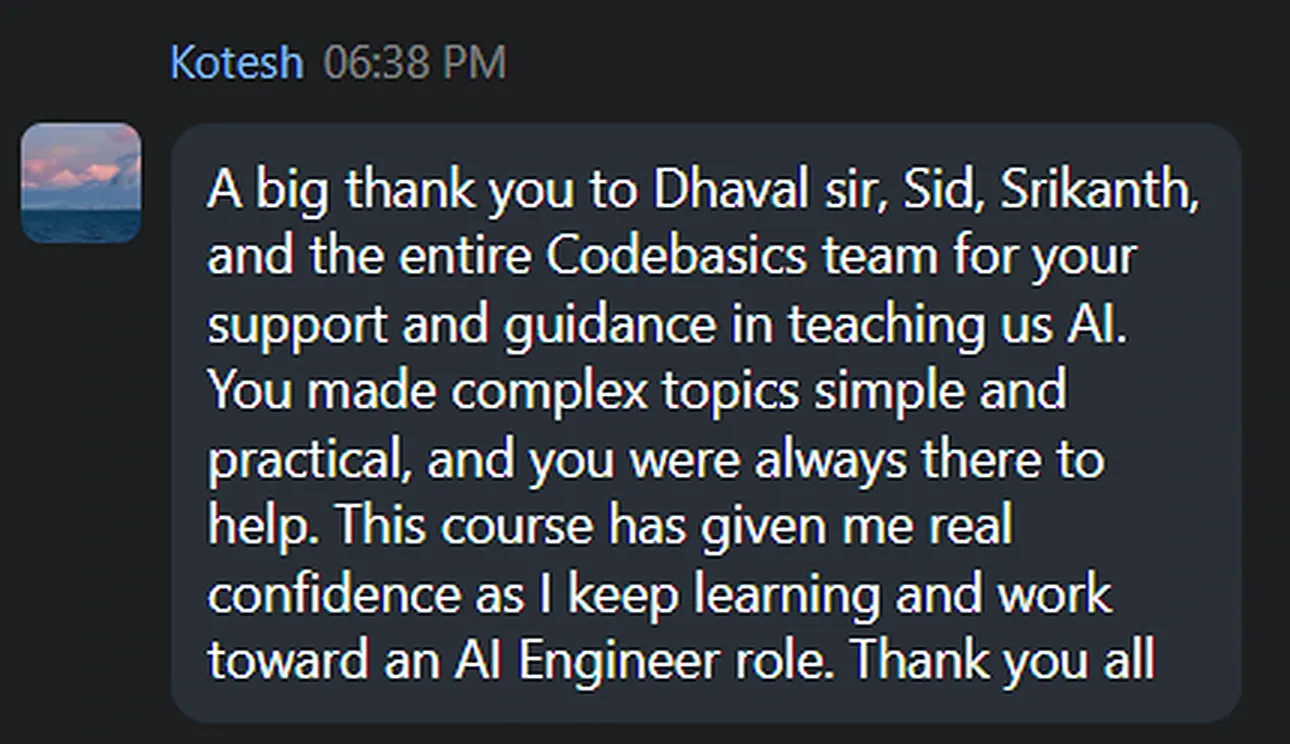
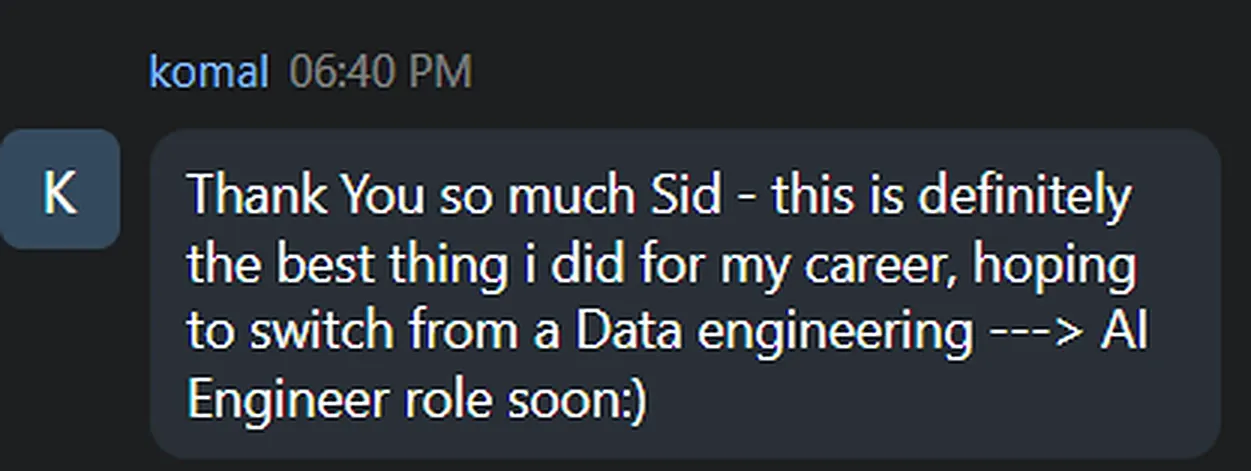
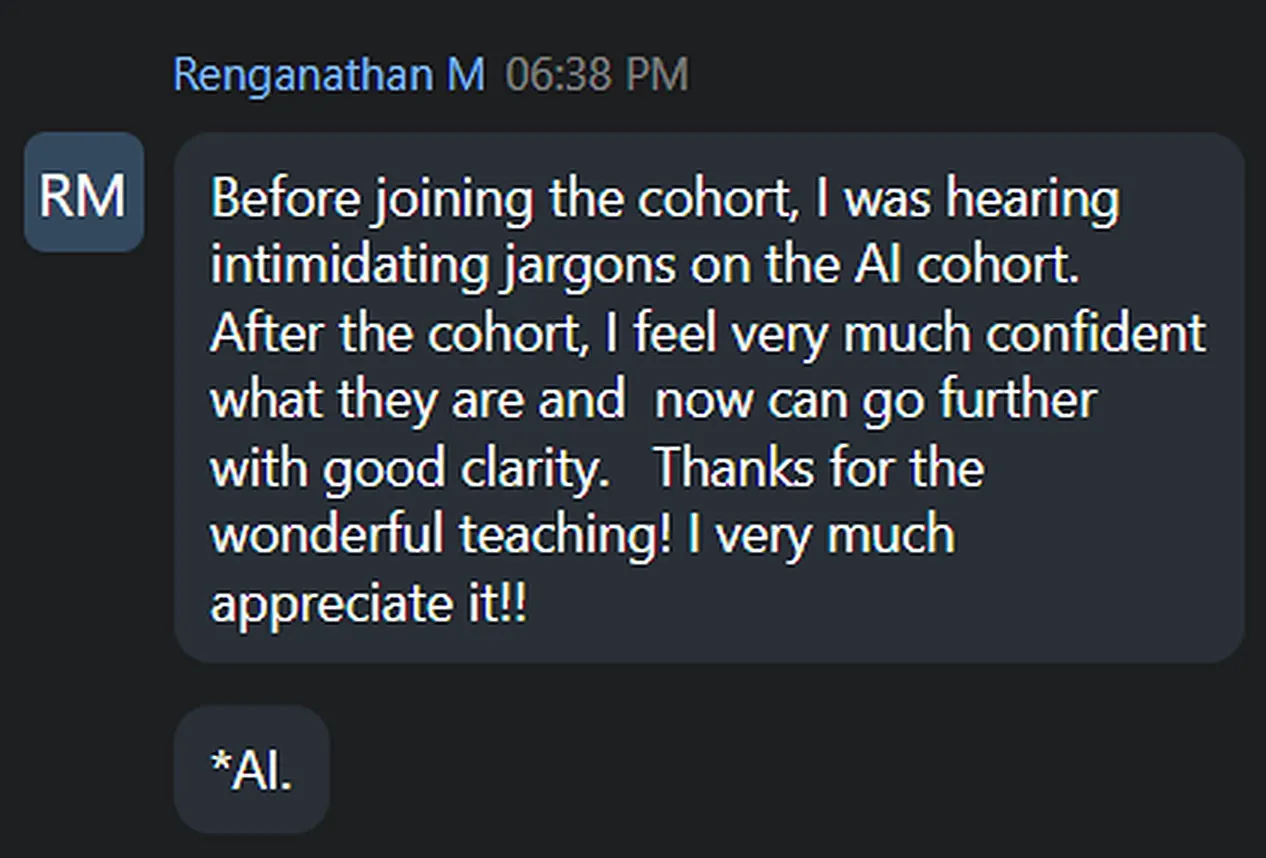
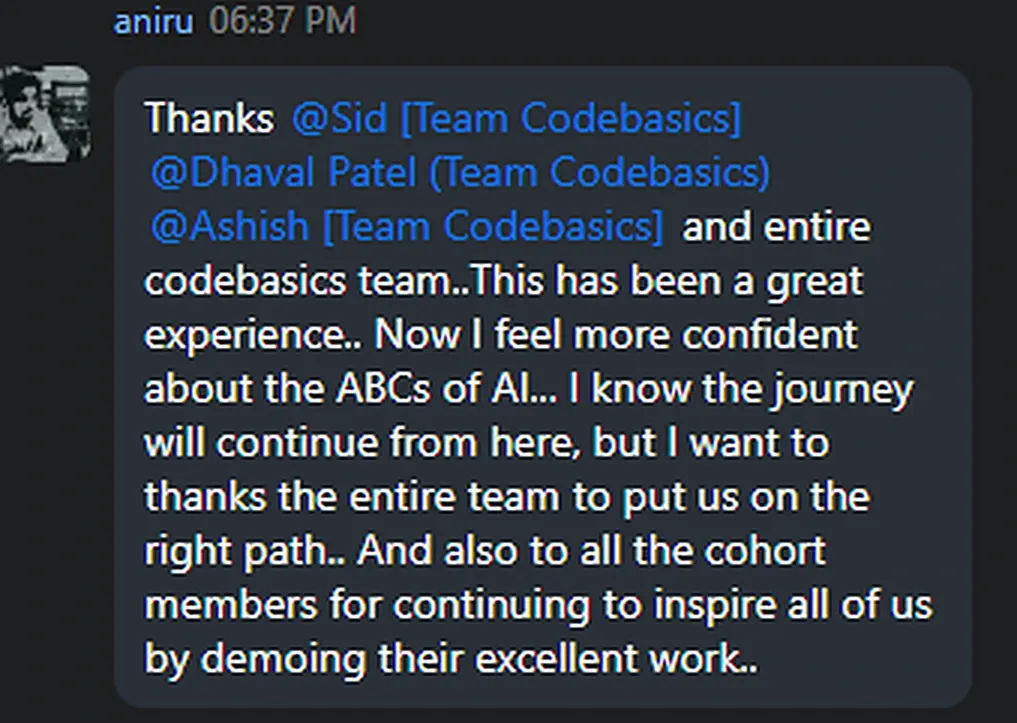
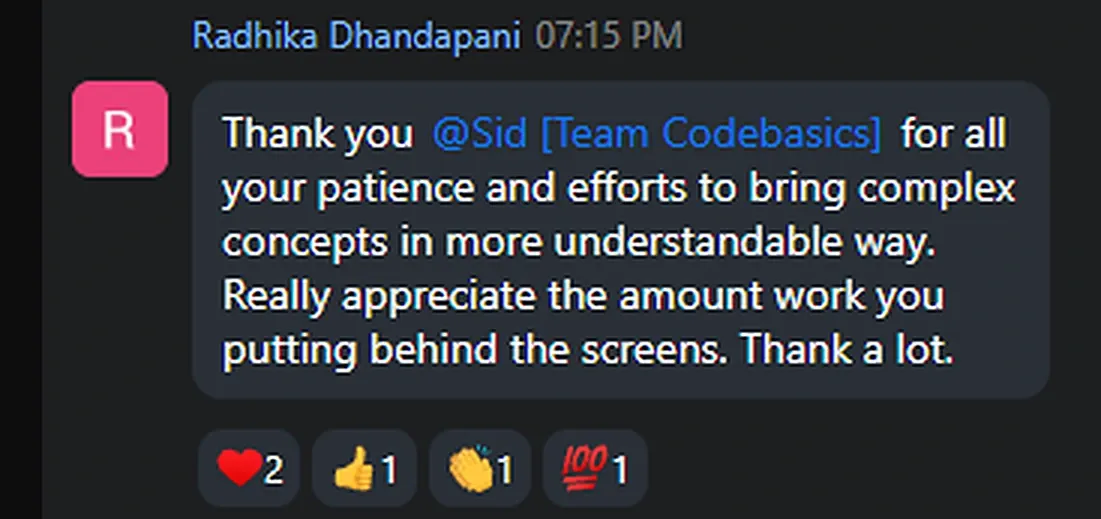
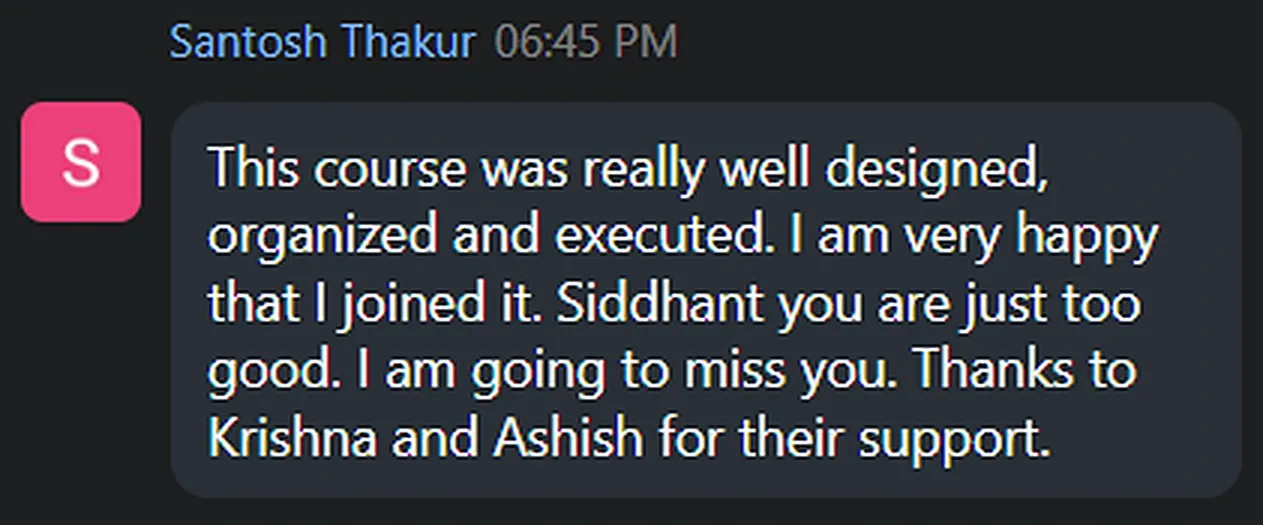
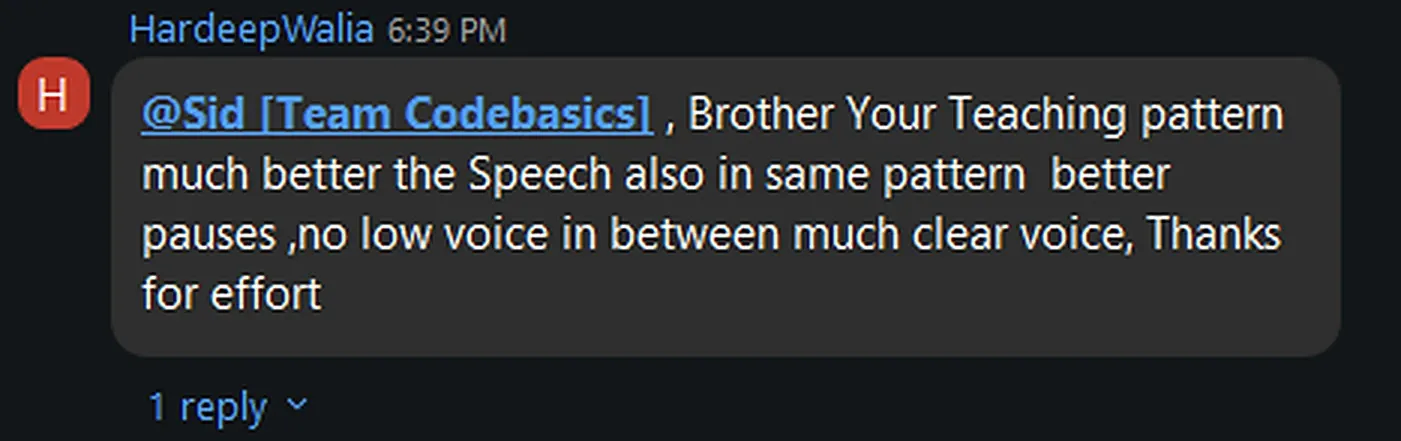
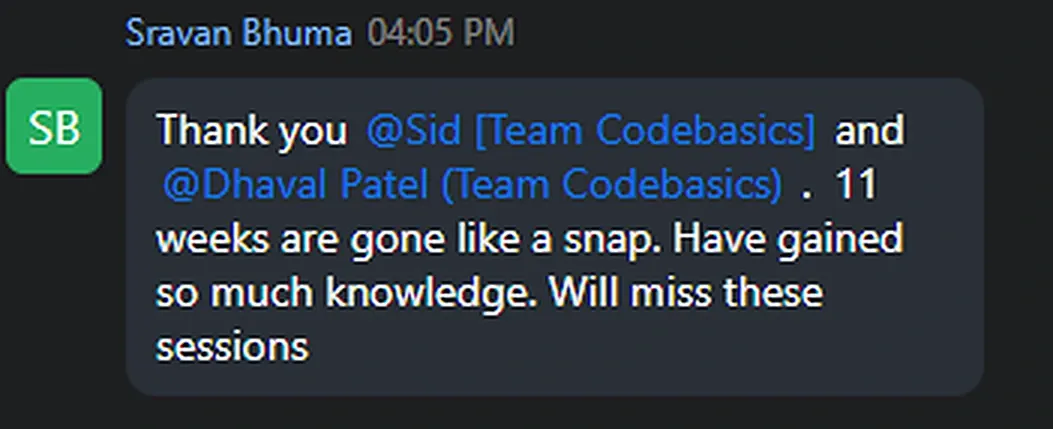
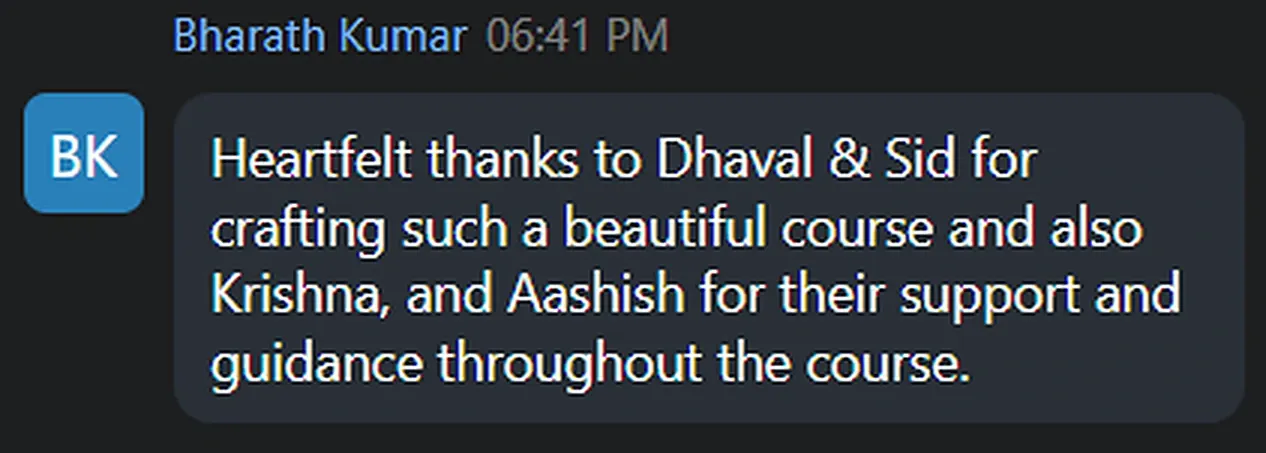
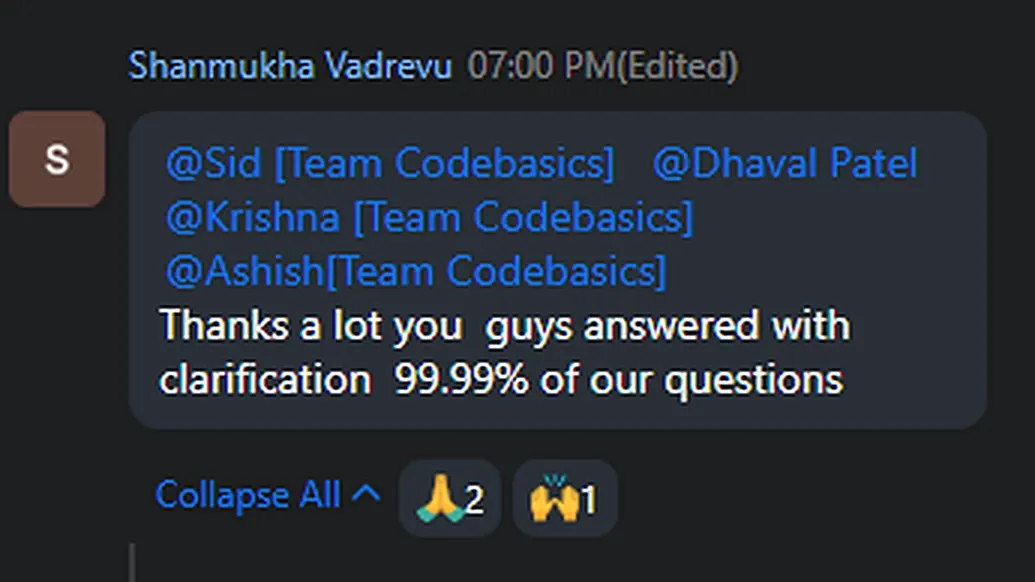
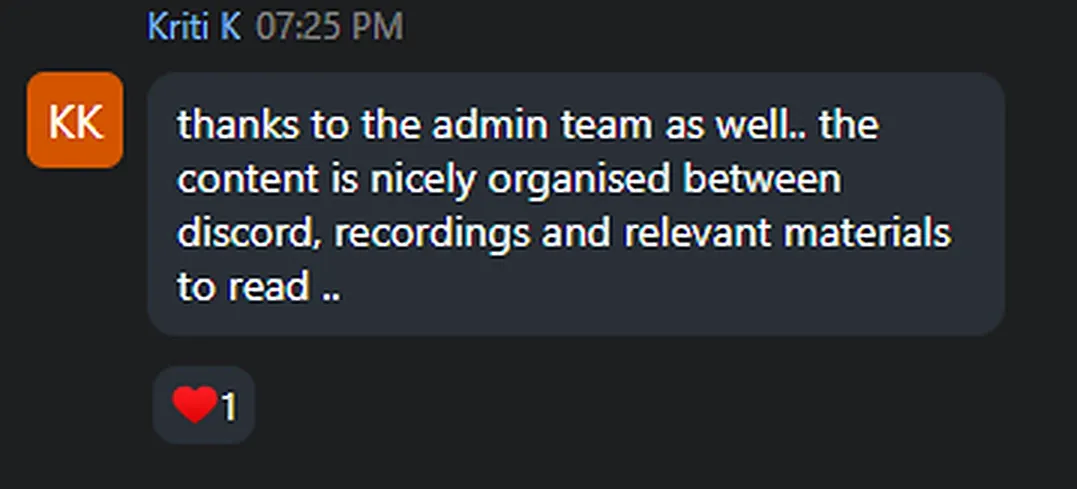
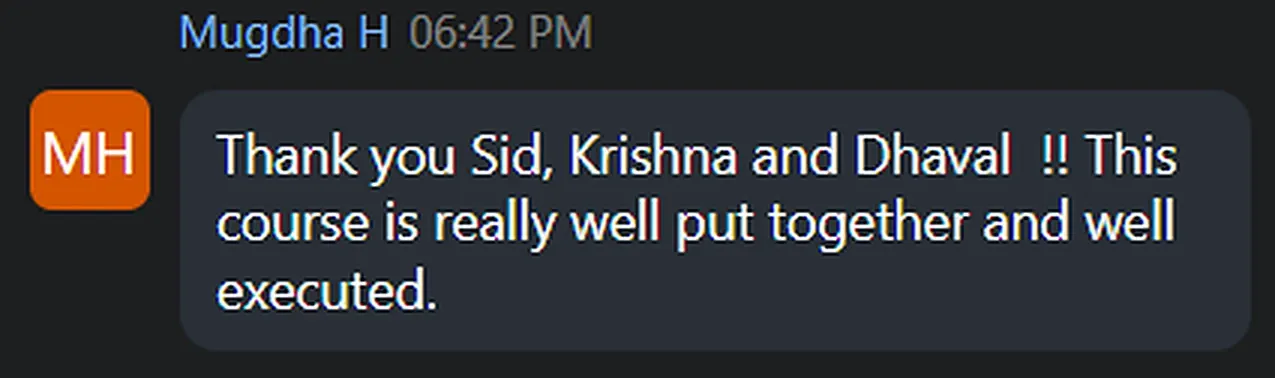
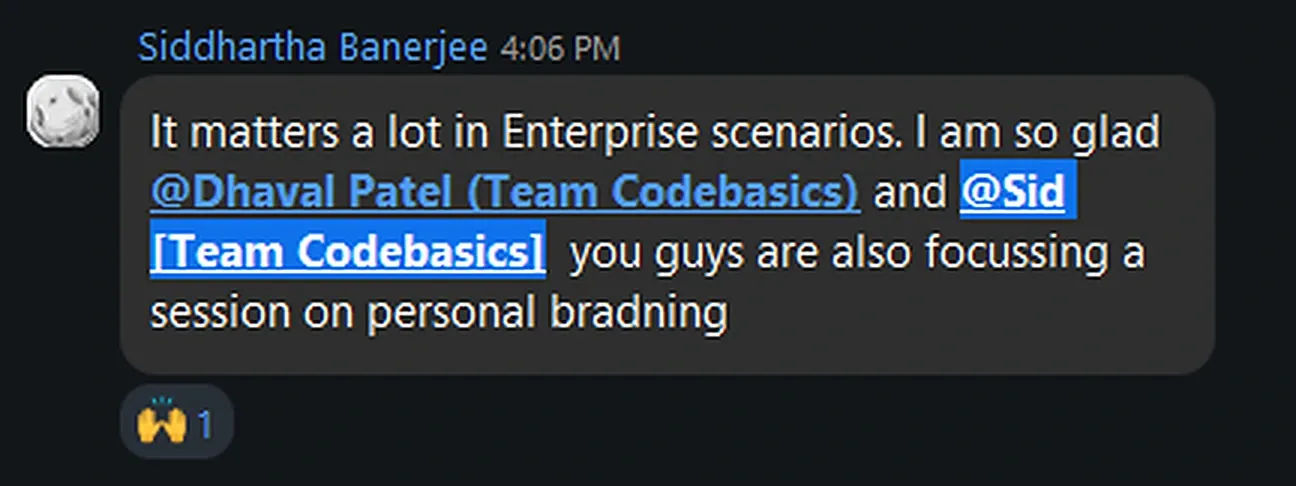
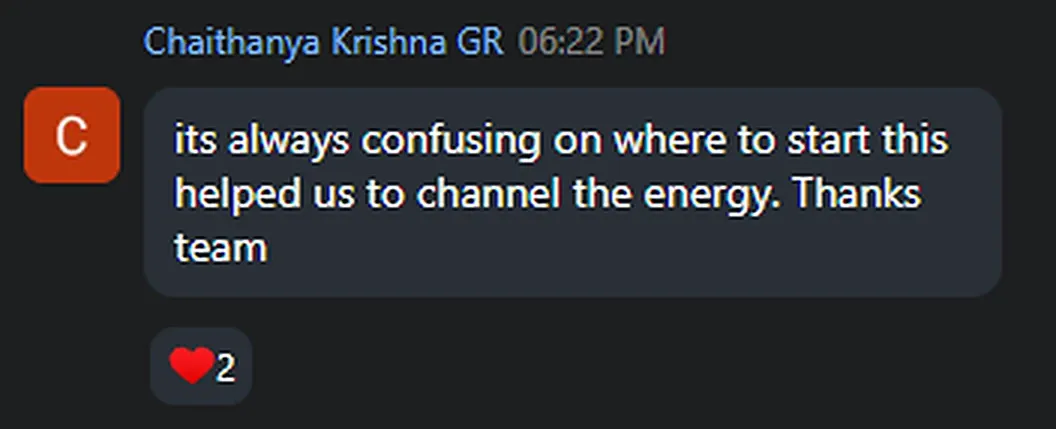
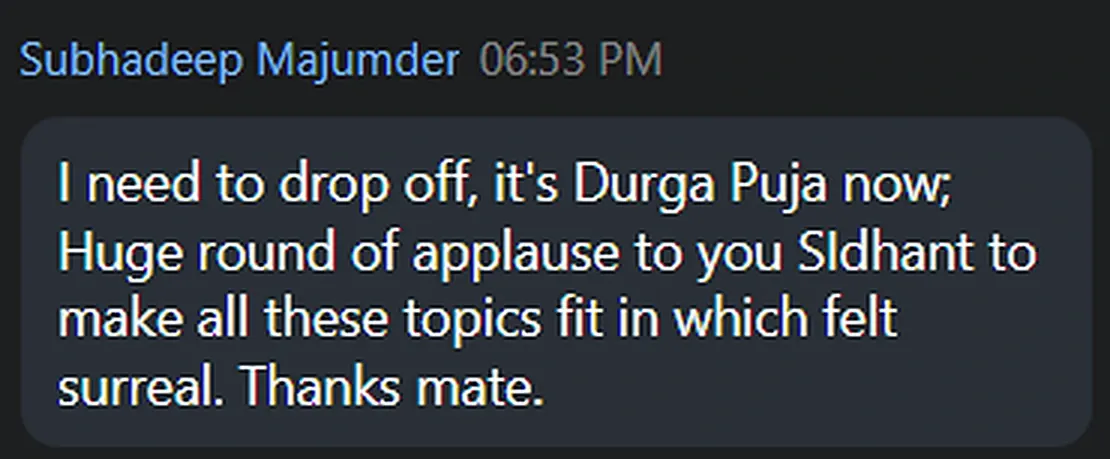
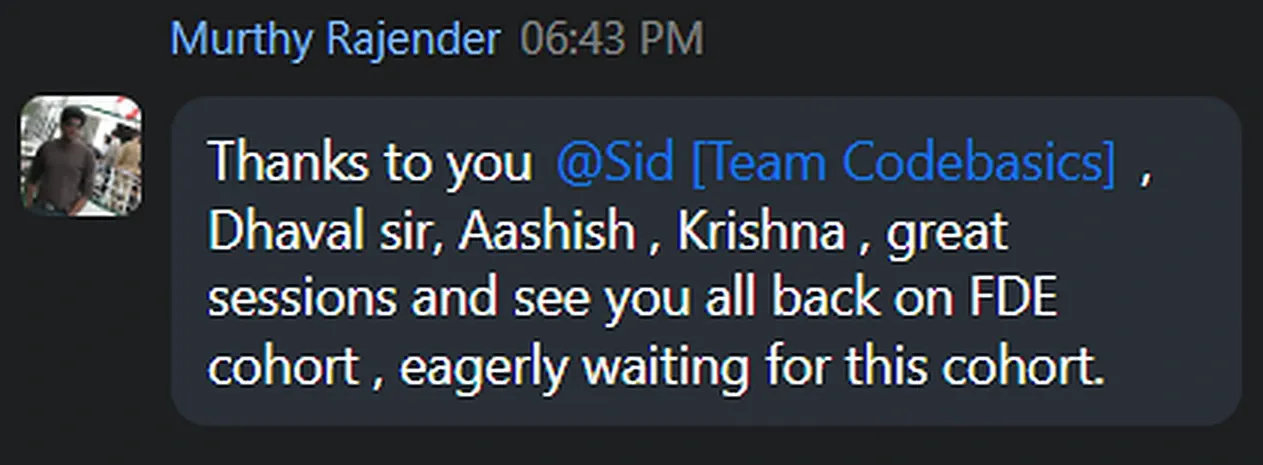
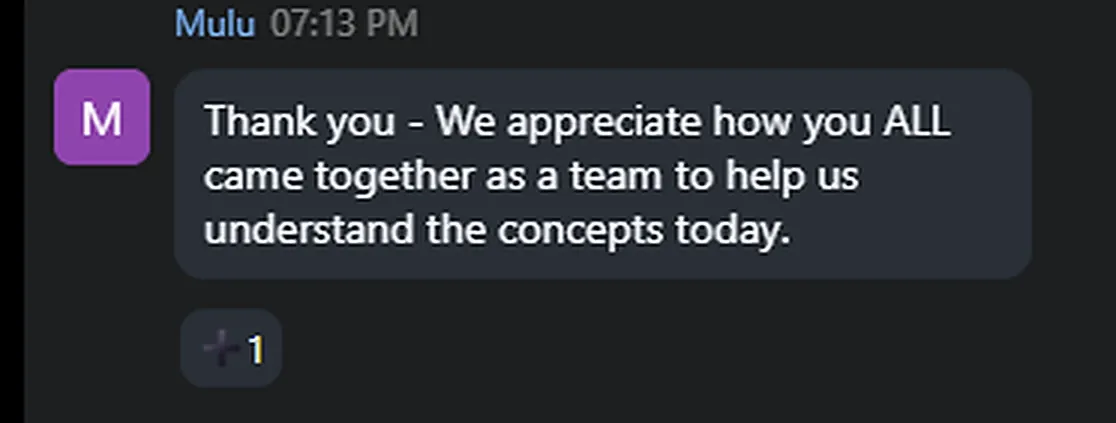
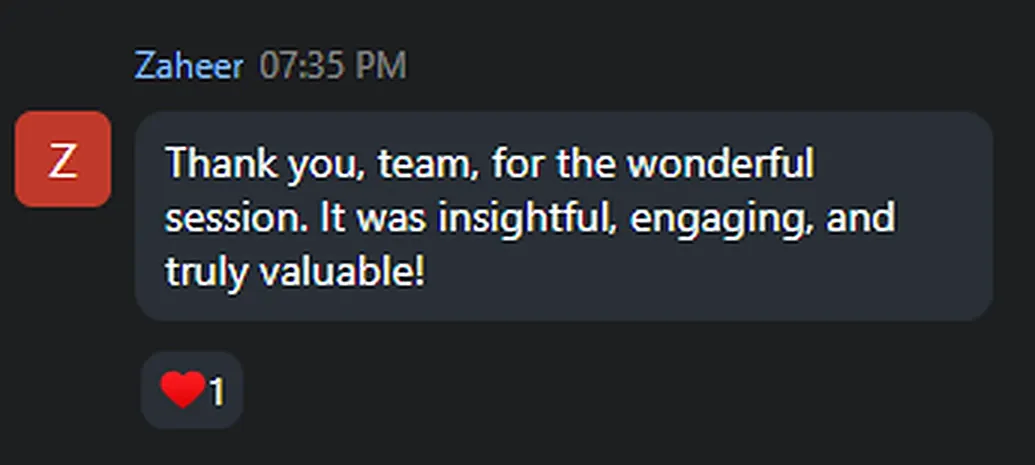
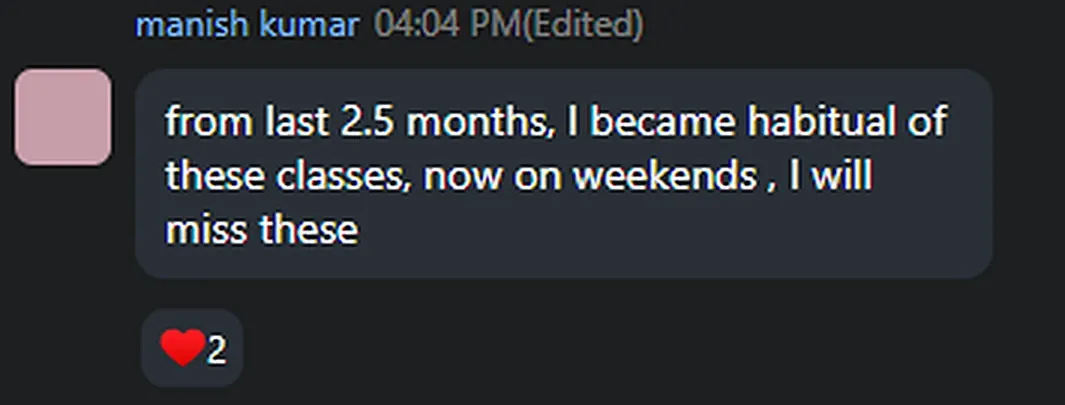
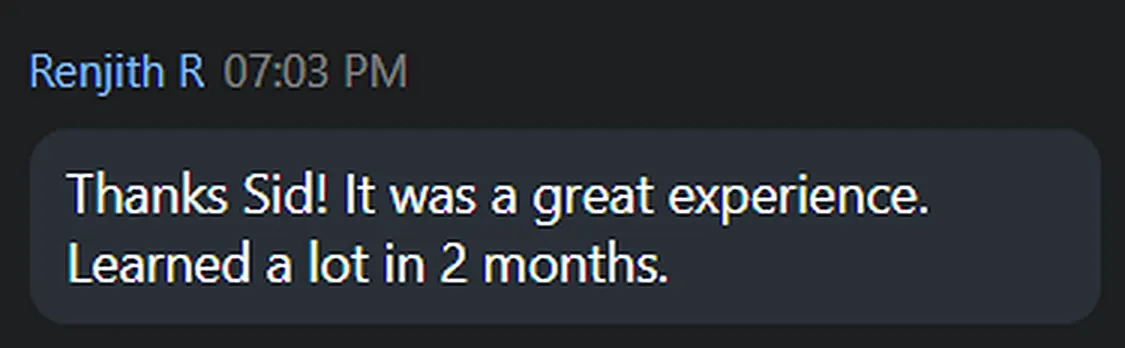
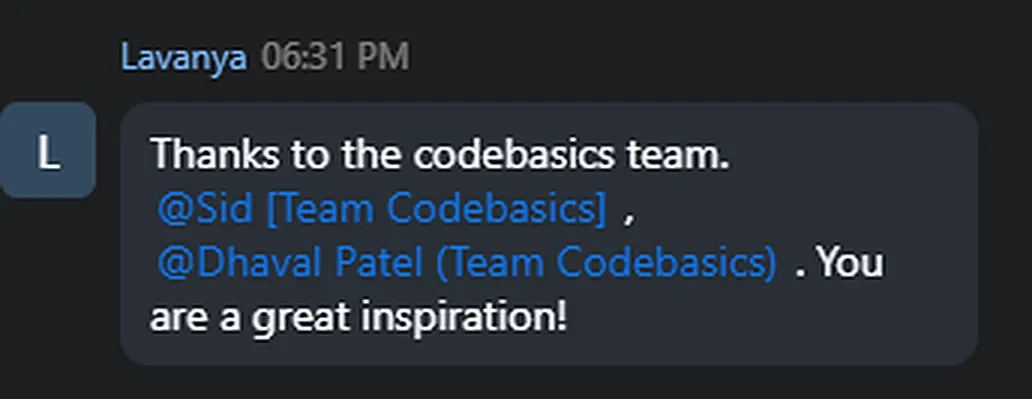
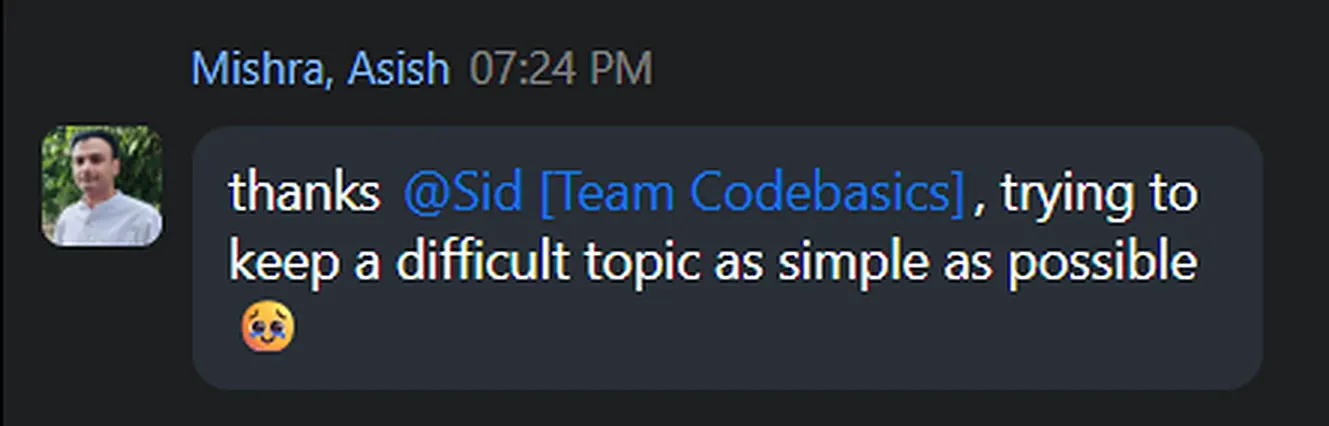
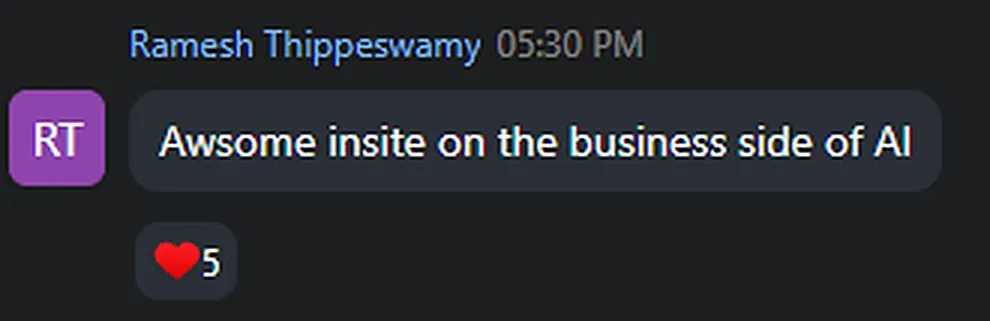
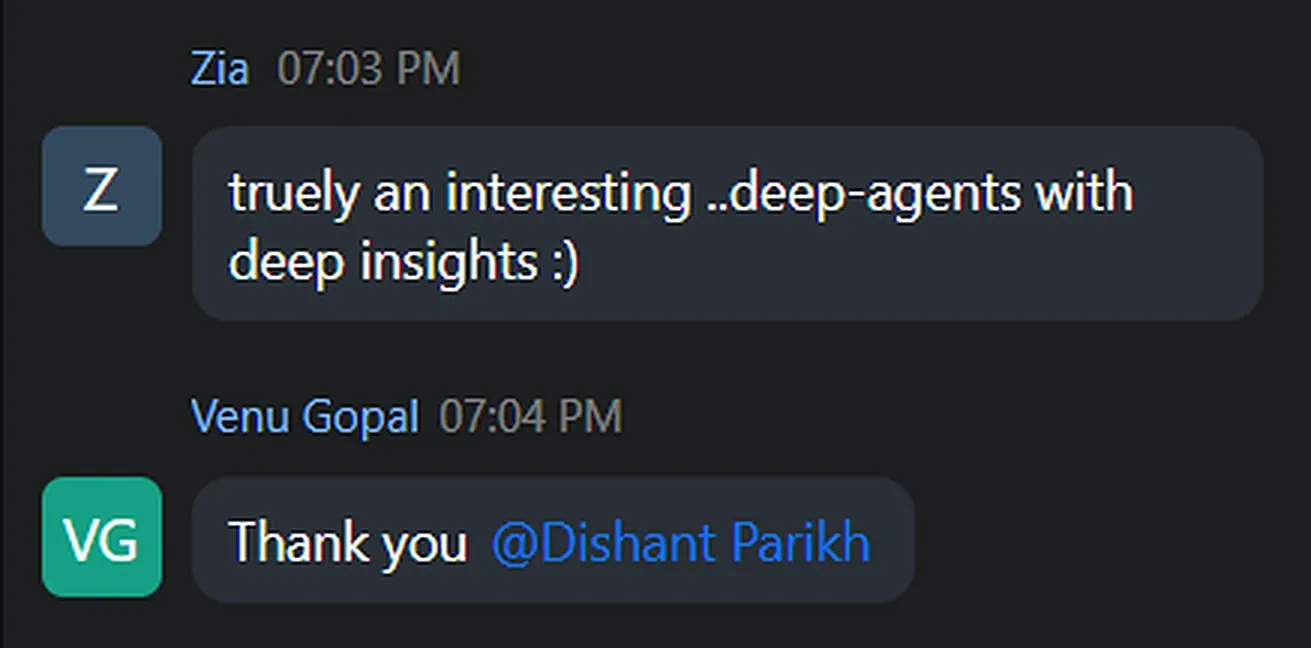
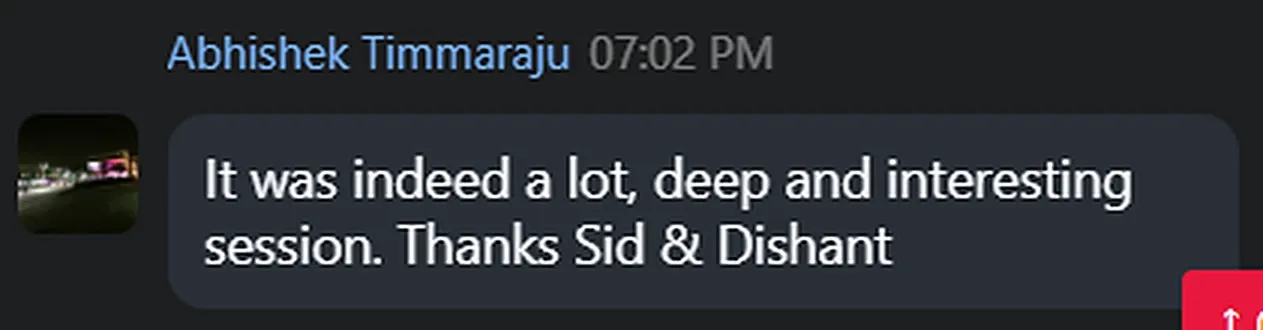
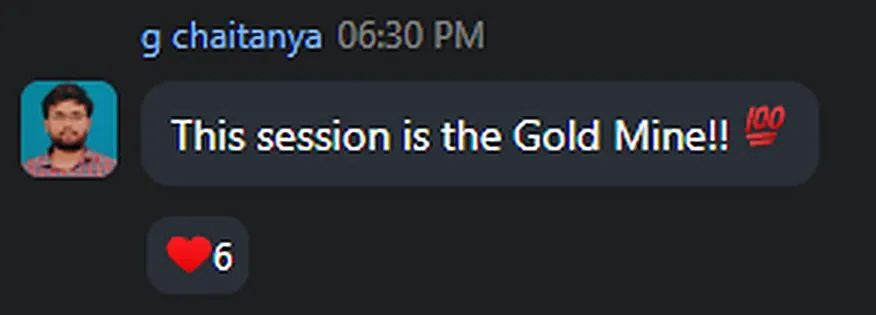
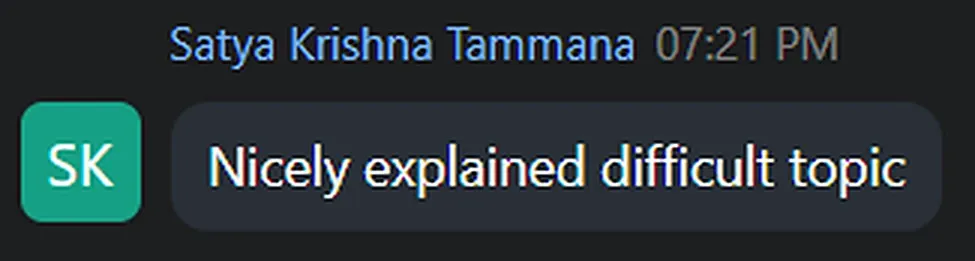
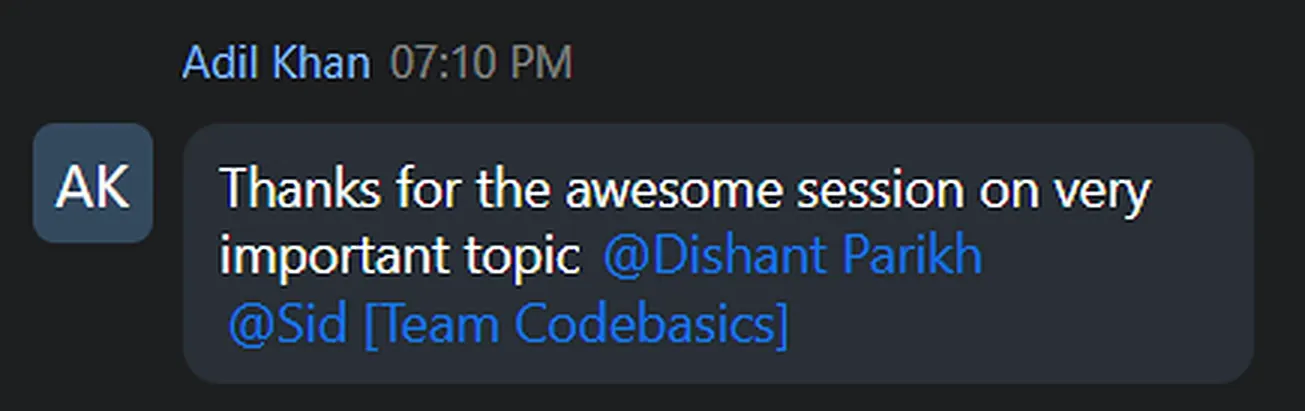
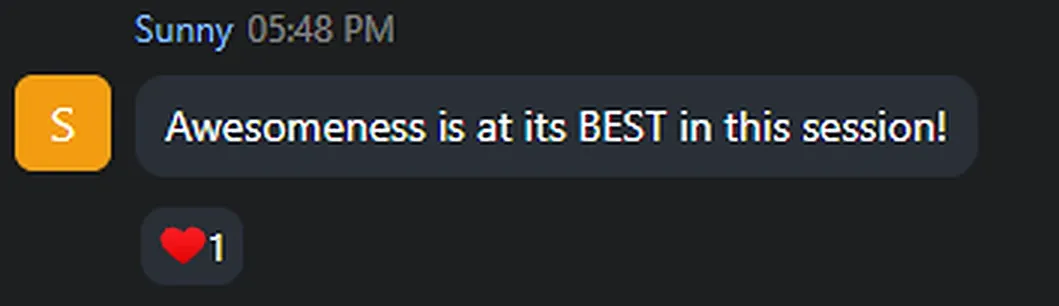
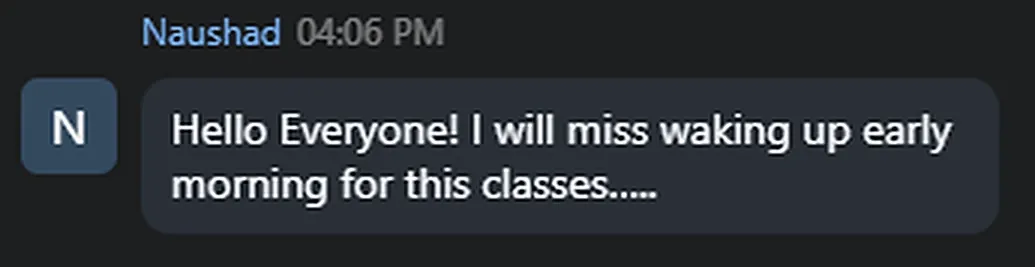
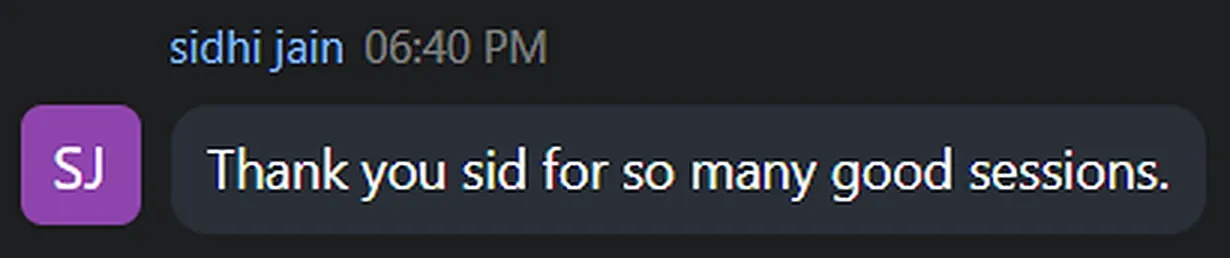
Straight from the live sessions
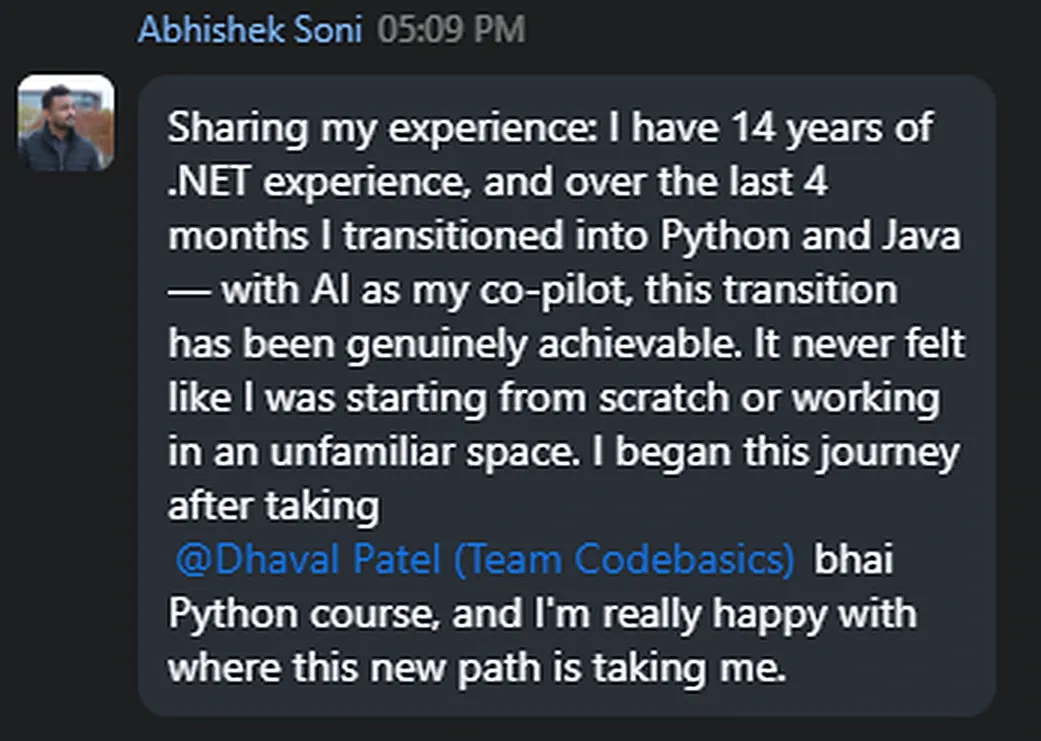
What Software Engineers typed in the cohort chat, unedited.
The Codebasics Promise
Premium Training, Without The Premium Price.
Other paths can work. Here is exactly what you get from each.
| What you get | Self-study | Other live bootcamps | Our live cohort |
|---|---|---|---|
| Live, mentor-led sessions | 16 live sessions | ||
| Real client work | Rarely | Toy demos | One client account, end to end |
| Enterprise systems (SSO, security reviews, production deploys) | On your own | Rarely taught | |
| Product and client skills (discovery, SOW, PRD) | Not covered | ||
| What you walk away with | Tutorials | A certificate | A client engagement you can defend |
| Price | Your time | Usually far higher | US$720 |
May we help you?
Frequently Asked
Questions

Q.1
When are the live sessions?
Q.2
When does Cohort 1 start?
Q.3
Is the client real?
Q.4
Do we learn how to take a prototype and make it scalable?
Q.5
What do I walk away with?
Q.1
Who is this for?
Q.2
I can code in Python but I'm not confident in AI yet. Can I join?
Q.1
Do you guarantee a job?
Q.1
What is the inner circle price, and when does it close?
Q.1
What's the refund policy for Cohort 1?
Q.1
How do I get help between sessions?
Q.1
What system configuration do I need?
Windows
- OS: Windows 11
- Processor: Intel Core i7 (10th Gen+) or AMD Ryzen 7 (4th Gen+)
- RAM: 8GB minimum, 16GB recommended
- Storage: 512GB SSD strongly recommended
Mac
- OS: macOS Sequoia (15) or newer
- Processor: Apple Silicon (M1 or newer)
- RAM: 8GB minimum, 16GB recommended
- Storage: 512GB SSD strongly recommended
You will run Docker containers and a local graph database during the build weeks.

Q.1
When are the live sessions?
Q.2
When does Cohort 1 start?
Q.3
Is the client real?
Q.4
Do we learn how to take a prototype and make it scalable?
Q.5
What do I walk away with?
Q.1
Who is this for?
Q.2
I can code in Python but I'm not confident in AI yet. Can I join?
Q.1
Do you guarantee a job?
Q.1
What is the inner circle price, and when does it close?
Q.1
What's the refund policy for Cohort 1?
Q.1
How do I get help between sessions?
Q.1
What system configuration do I need?
Windows
- OS: Windows 11
- Processor: Intel Core i7 (10th Gen+) or AMD Ryzen 7 (4th Gen+)
- RAM: 8GB minimum, 16GB recommended
- Storage: 512GB SSD strongly recommended
Mac
- OS: macOS Sequoia (15) or newer
- Processor: Apple Silicon (M1 or newer)
- RAM: 8GB minimum, 16GB recommended
- Storage: 512GB SSD strongly recommended
You will run Docker containers and a local graph database during the build weeks.
Cohort 1 · Starts Wednesday, 2nd December
Eight weeks from now, you could be the engineer the client asks for by name.
Inner circle US$720 until Tuesday, 1st December. Then US$960.
Step into the FDE role · Inner Circle Price US$720 until 1st Dec · Save US$240


